You started semaglutide two weeks ago. By 2 PM, you can barely keep your eyes open. The couch is winning against every plan you made. Semaglutide can cause fatigue. The STEP 1 trial reported it in 11.0% of users versus 4.9% on placebo (Wilding et al., NEJM 2021). Two mechanisms drive it: the caloric deficit from reduced appetite and direct GLP-1 receptor activation in the brain. For most users, energy normalizes by weeks 8-12 at a stable dose.
| Quick Reference | Details |
|---|---|
| Prevalence | 11% of users (vs 4.9% placebo) |
| Severity | 7.2% mild, 3.1% moderate, 0.7% severe |
| Cause | Caloric deficit + hypothalamic GLP-1 receptor activation |
| Onset | Weeks 1-2 of each dose change |
| Peak | Weeks 2-6 |
| Resolution | Weeks 8-12 at a stable dose |
| Key fix | Ensure calorie intake stays above 1,200/day |
| Evidence level | Human clinical trials (STEP 1, STEP 8) |
For dosing protocols, see our semaglutide dosage chart. For safety information, see our peptide safety guide.
Get your custom peptide protocol:
- Tailored to your body and goals
- Precise dosing and cycle length
- Safe stacking combinations
- Backed by peer-reviewed studies
- Ready in under 2 minutes
What Causes Fatigue on Semaglutide?
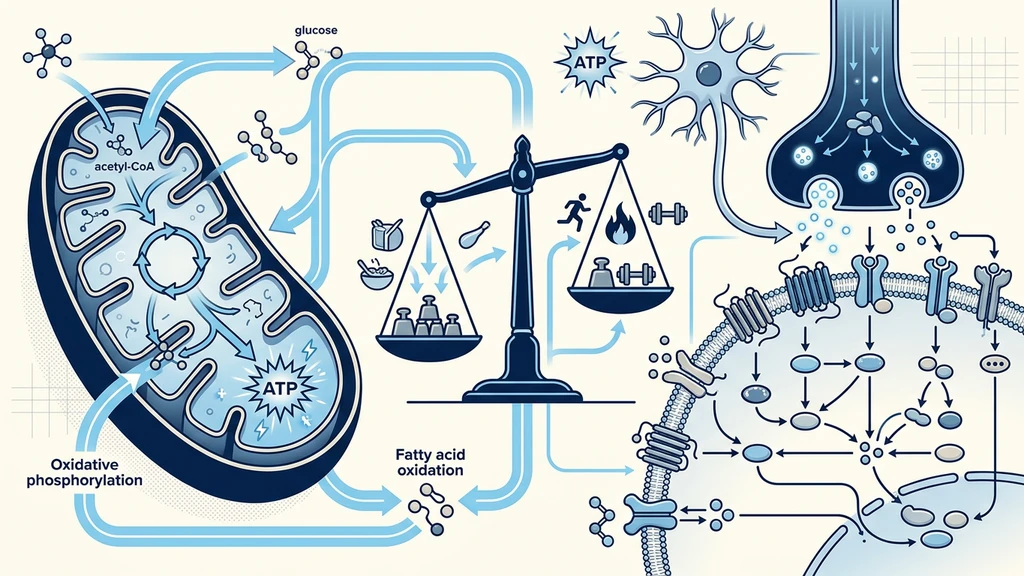
Think of your body like a phone battery. Running on 1,000 calories when you need 2,000 is like running your phone at 20% charge all day. Everything still works, but slower. Apps take longer to open. The screen dims. Your body does the same: it throttles non-essential functions to conserve what little fuel comes in.
That is the caloric deficit mechanism. The second mechanism is neurological. GLP-1 receptors in the hypothalamus directly reduce subjective energy and increase the perception of effort during physical tasks. A mechanistic study of liraglutide confirmed this effect is independent of calorie intake (Blundell et al., 2017). Your brain literally turns down the energy dial.

The STEP 8 trial comparing semaglutide to liraglutide found comparable fatigue rates (9.1% vs 8.4%), confirming this is a class-wide effect, not specific to semaglutide (Rubino et al., 2022).
What Happens When Calorie Intake Drops Too Low
A user dropped from 2,400 to 900 calories daily without realizing it. Semaglutide suppressed appetite so effectively that two meals felt like enough. After 3 weeks, they could not function past noon. Concentration disappeared. Exercise was impossible. They assumed semaglutide was the problem and considered stopping.
Tracking calories for one week revealed the truth: 900 calories is starvation-level intake. Adding 400 calories (mostly protein and complex carbs at breakfast) restored usable energy within 5 days. The semaglutide was not the issue. The 1,500-calorie deficit was.
A second scenario: a woman on semaglutide plus blood pressure medication experienced worsening fatigue at week 4. Her blood pressure had dropped to 90/58 (normal is 120/80). Semaglutide-driven weight loss potentiated her blood pressure medication. Reducing the BP medication dose resolved the fatigue within a week. If you take blood pressure or diabetes medication alongside semaglutide, monitor levels during the first month. Semaglutide stays in your system for weeks, so medication adjustments may take time to stabilize.
When Does Semaglutide Fatigue Start and Stop?
Fatigue follows a pattern tied to dose changes and caloric adaptation.
Onset: Weeks 1-2
Fatigue appears within 1-2 weeks of starting semaglutide or after each dose increase. The body adjusts to a sudden calorie reduction while GLP-1 receptors in the brain activate at a new intensity.
Peak: Weeks 2-6
Appetite suppression is strongest. Caloric deficits are largest. Users describe feeling drained by afternoon, needing more sleep, and lacking motivation for exercise. This is the period when most users eat far too little without tracking.
Resolution: Weeks 8-12
The body reaches a new metabolic equilibrium. It learns to run efficiently on the available calories. GLP-1 receptor sensitivity adjusts. Most users report energy returning to near-normal levels, consistent with the broader pattern of how long semaglutide side effects last. Fatigue that does not improve by week 12 at a stable dose warrants medical evaluation.
When to Seek Medical Help
Fatigue so severe you cannot perform daily activities. Fatigue that worsens (not improves) after 8 weeks at the same dose. Cold intolerance and unexplained weight gain alongside fatigue (possible hypothyroidism). These may indicate a separate medical issue.
How to Manage Fatigue on Semaglutide
Five strategies reduce semaglutide fatigue. The first one fixes the problem for the majority of users.
Ensure Adequate Calorie Intake
A 500-750 calorie daily deficit is ideal for sustainable weight loss. Anything larger increases fatigue, muscle loss, and metabolic adaptation. Track intake for one week to check. If you are below 1,200 calories daily, that is your answer.
Going from 2,500 to 1,000 calories will drain you regardless of supplements. This is the single most common fixable cause of semaglutide fatigue.
Front-Load Protein and Complex Carbs at Breakfast
Eat 30-40 grams of protein with complex carbohydrates (oats, whole grain toast, sweet potato) at breakfast. Protein stabilizes blood sugar. Complex carbs restore overnight glycogen depletion. This combination provides 4-6 hours of stable energy and prevents the mid-morning crash.
Check Iron, B12, and Vitamin D Levels
Reduced food intake can cause or worsen micronutrient deficiencies. Iron deficiency is the most common cause of fatigue in women. B12 affects energy metabolism directly. Vitamin D below 30 ng/mL correlates with fatigue. Get bloodwork 6-8 weeks after starting semaglutide. Correcting a deficiency can improve energy within 2-4 weeks. Some compounding pharmacies now offer semaglutide combined with B12, which may help prevent B12-related fatigue during treatment.
Maintain Regular Exercise
Moderate exercise reduces fatigue on semaglutide. A 30-minute walk or light resistance session increases circulation, releases endorphins, and improves insulin sensitivity. Avoid intense training during the first 2 weeks of each dose increase. Start with low-intensity movement and build.
Optimize Sleep Hygiene
Semaglutide can disrupt sleep through GI discomfort or blood sugar fluctuations. Maintain a consistent schedule. Avoid eating within 2 hours of bedtime. Keep the bedroom cool. If nighttime nausea is an issue, switch your injection to the morning. No supplement fixes poor sleep.
What Does the Research Say?
STEP 1 Trial (Wilding et al., 2021) 1,961 participants. Fatigue in 11.0% semaglutide versus 4.9% placebo. Mild in 7.2%, moderate in 3.1%, severe in 0.7%. No participants discontinued for fatigue alone (PubMed).
Mechanistic Study (Blundell et al., 2017) Liraglutide study demonstrating that GLP-1 receptor activation in the hypothalamus directly reduces subjective energy and increases effort perception. Effect is independent of caloric intake, confirming a CNS component (PubMed).
STEP 8 Head-to-Head (Rubino et al., 2022) Semaglutide 2.4 mg versus liraglutide 3.0 mg. Fatigue in 9.1% versus 8.4%. Comparable rates confirm class-wide fatigue regardless of half-life (PubMed).
Important Warnings
Fatigue that worsens after 8 weeks at a stable dose may indicate a separate medical issue. Request thyroid function testing (TSH, free T4) and a complete metabolic panel. If weight loss has stalled alongside fatigue, see not losing weight on semaglutide for troubleshooting steps.
Severe caloric restriction (under 1,000 calories/day) on semaglutide risks muscle wasting, gallstone formation, and metabolic adaptation. Fatigue is an early warning sign of insufficient intake.
If you take blood pressure medication or insulin alongside semaglutide, fatigue may indicate low blood pressure or hypoglycemia. Monitor levels during the first month. Semaglutide can potentiate these medications.
Combining semaglutide with medications that cause drowsiness (antihistamines, benzodiazepines, certain antidepressants) may amplify fatigue. Review all medications with your prescriber.
Related Side Effects
Does Semaglutide Cause Hair Loss? Fatigue and hair loss share the same root: caloric deficit redirecting resources from non-vital functions. If you experience both, inadequate calorie or protein intake is the culprit.
Does Semaglutide Cause Nausea? Nausea (40-45% of users) reduces food intake further, deepening the deficit that drives fatigue. Managing nausea with smaller meals and proper titration often improves energy indirectly.
Does Tirzepatide Cause Constipation? Persistent GI discomfort (constipation, bloating) compounds fatigue across all GLP-1 agonists. Resolving digestive issues often improves energy levels. If you are considering tirzepatide as an alternative, note that tirzepatide can also cause tiredness through similar mechanisms. For switching details, see the semaglutide to tirzepatide conversion guide.
Frequently Asked Questions
Why am I so tired on semaglutide?
Two factors combine: your body receives fewer calories than it burns, and GLP-1 receptors in the brain directly reduce subjective energy. STEP 1 showed 11% of users experience fatigue. It peaks during weeks 2-6 and improves as your body adapts. Check that you are eating at least 1,200 calories daily with adequate protein.
Does semaglutide fatigue go away?
For most users, yes. Energy improves within 8-12 weeks at a stable dose. Ensure adequate calories (minimum 1,200/day), protein (0.7-1.0g per pound body weight), and key micronutrients (iron, B12, vitamin D). Severe fatigue lasting beyond 12 weeks warrants thyroid and metabolic panel testing.
Is fatigue on Ozempic normal?
Yes. Ozempic (semaglutide for diabetes, up to 2.0 mg) causes fatigue in 8-11% of users depending on dose. The rate is slightly lower than Wegovy (2.4 mg) because the max dose is lower. Fatigue is a recognized side effect in the prescribing information. It does not indicate a dangerous reaction.
Should I take semaglutide in the morning or at night for fatigue?
If fatigue is your primary concern, inject in the evening so peak tiredness occurs during sleep (24-48 hours post-injection). Some users prefer morning injections because nighttime dosing can worsen sleep through nausea. Try one timing for 4 weeks, then switch. Timing does not affect weight loss.
Can I take caffeine while on semaglutide?
Yes. No known interactions between caffeine and semaglutide. Moderate caffeine (200-400 mg/day, 2-4 cups of coffee) helps offset fatigue. Caffeine on an empty stomach may worsen nausea. Have a small protein-rich snack with your coffee. Avoid caffeine after 2 PM to protect sleep.
The Bottom Line
Semaglutide fatigue affects 1 in 10 users. Two causes: caloric deficit and direct GLP-1 receptor effects in the brain. It peaks during weeks 2-6 and resolves by weeks 8-12 at a stable dose.
Track your calorie intake for one week. If you are below 1,200 daily, that is the fix. Front-load protein and complex carbs at breakfast. Get bloodwork at week 6 for iron, B12, and vitamin D. The fatigue is almost always fixable without stopping the drug.
Use our semaglutide dosage calculator to plan your titration. For dosing details, see our semaglutide dosage chart in mL. For a full breakdown of when fatigue and other effects resolve during the titration timeline, read how long does semaglutide take to work.
Related Articles: - Does Semaglutide Expire? — check potency if fatigue worsens unexpectedly - Does Semaglutide Need to Be Refrigerated? — improper storage can degrade potency - Best Peptides for Weight Loss — compare alternatives if side effects are intolerable - Does Tirzepatide Cause Hair Loss? — another caloric deficit side effect across GLP-1 agonists - Semaglutide Before and After — month-by-month results showing when fatigue typically resolves - Compound Semaglutide With B12 — B12-enhanced formulations that may reduce fatigue
Related Articles
Does Semaglutide Cause Heartburn?
Does semaglutide cause heartburn? Yes, in 1.9-5% of users. Delayed gastric emptying mechanism, GERD differences, and 7 ways to manage it.
Can Semaglutide Cause Depression?
Clinical trials show semaglutide does not increase depression risk. FDA cleared GLP-1 drugs of suicidality concerns in 2025. Evidence and mechanisms.
Can Semaglutide Cause Diarrhea?
Diarrhea affects 8-30% of semaglutide users depending on dose. Learn the GLP-1 mechanism, STEP trial incidence data, timeline, and 6 management strategies.
Semaglutide Nausea Relief: 9 Proven Tips
Relieve semaglutide nausea with 9 actionable strategies: ondansetron dosing, ginger protocols, dietary timing, acupressure, and when to call your doctor.